What to Eat When You’re Trying to Conceive: A Functional Nutrition Guide
- Stephanie - Square One Health
- 5 days ago
- 3 min read
If you’re actively trying to conceive, chances are you’ve Googled what to eat for fertility at least once — maybe a hundred times. And the advice can feel overwhelming, contradictory, or overly simplified.
In functional nutrition, we take a different approach. Instead of focusing on a rigid “fertility diet,” we look at how food supports hormone signaling, ovulation, egg quality, and overall metabolic health — all of which play a role in conception.
This guide is designed for women who are already trying to conceive and want clarity, not extremes.

Why Nutrition Matters When You’re Trying to Conceive
Ovulation, hormone production, and cycle regularity are all energy-dependent processes. Your body needs adequate nutrients, stable blood sugar, and low inflammation to prioritize reproduction.
When key nutrients are missing — or when blood sugar and stress are consistently high — your body may struggle to ovulate efficiently, even if your cycle looks “normal” on the surface.
Nutrition doesn’t guarantee pregnancy, but it creates a more supportive internal environment for conception.
The Foundation of a Fertility-Supportive Diet
Rather than focusing on superfoods alone, fertility nutrition starts with consistency.
A fertility-supportive diet prioritizes:
Balanced blood sugar
Adequate protein and healthy fats
Micronutrients involved in hormone signaling
Anti-inflammatory foods
Think steady nourishment, not restriction.
Top Foods to Focus On When Trying to Conceive
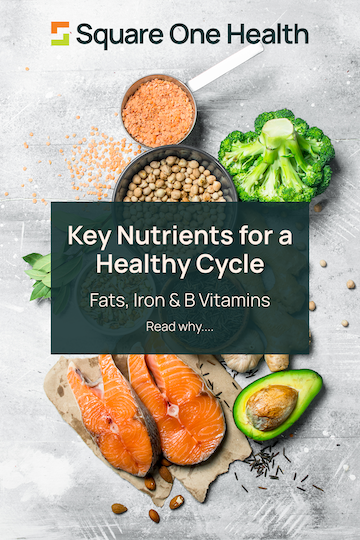
1. Quality Protein (Every Meal)
Protein provides the amino acids needed for hormone production and tissue growth.
Examples:
Eggs
Poultry
Grass-fed beef
Wild-caught fish
Greek yogurt or cottage cheese
Lentils and beans (when well tolerated)
Aim for protein at every meal and snack to support stable blood sugar.
2. Healthy Fats for Hormone Production
Hormones are made from fat, and dietary fat supports ovulation and progesterone production.
Focus on:
Avocados
Olive oil
Nuts and seeds
Fatty fish (salmon, sardines)
Full-fat dairy if tolerated
Avoid extremely low-fat diets while trying to conceive.
3. Complex Carbohydrates for Cycle Support
Carbohydrates fuel ovulation and thyroid function. The key is quality and balance.
Supportive options include:
Sweet potatoes
Squash
Oats
Quinoa
Fruit
Brown or white rice paired with protein and fat
Carbohydrates are especially important in the follicular phase and around ovulation.
4. Iron-Rich Foods
Iron plays a role in ovulation and implantation. Many women trying to conceive have low iron stores without realizing it.
Iron-rich foods include:
Red meat
Liver (small amounts)
Lentils
Spinach
Pumpkin seeds
Pair plant-based iron with vitamin C for better absorption.
5. Nutrient-Dense Produce
Vegetables and fruits provide antioxidants that help protect egg quality and reduce inflammation.
Focus on:
Leafy greens
Berries
Cruciferous vegetables
Colorful produce of all kinds
Variety matters more than perfection.
A Simple Fertility-Supportive Day of Eating
Breakfast | Eggs cooked in olive oil with roasted vegetables and fruit on the side |
Lunch | Grain bowl with chicken, rice or quinoa, avocado, and greens |
Snack | Greek yogurt with berries and nuts |
Dinner | Salmon, sweet potato, and sautéed greens |
Optional smoothie | Protein powder, frozen berries, spinach, and healthy fat (nut butter or seeds) |
Foods to Limit (Not Eliminate)
Rather than cutting foods entirely, focus on reducing frequency of:
Highly processed foods
Excess added sugars
Ultra-refined carbohydrates eaten alone
Excessive caffeine
Alcohol
These can increase inflammation and blood sugar swings, which may interfere with hormone signaling over time.
Nutrition + Your Cycle: Why Timing Matters
Your nutritional needs can shift slightly throughout your cycle.
Follicular phase & ovulation:Your body often benefits from more carbohydrates and antioxidant-rich foods.
Luteal phase:Protein, healthy fats, magnesium-rich foods, and steady meals support progesterone and blood sugar stability.
Understanding your cycle helps you nourish your body with it — not against it.
When Nutrition Isn’t the Whole Picture
If you’re eating well but still experiencing:
Irregular cycles
Short luteal phases
Severe PMS
Difficulty confirming ovulation
It may be helpful to look deeper at labs, nutrient status, and metabolic health. Nutrition works best when it’s personalized.
This is something I walk through with clients often — helping them understand what their body may be asking for and how to support it more intentionally.

Want Help Understanding Your Cycle?
If you’re trying to conceive and want more clarity:
Start with my free cycle decoder to better understand your body’s signals
Or book a free discovery call to see if functional nutrition support is a good fit
You don’t need to do everything perfectly, you just need the right information for your body.